When it comes to supporting the well-being of older adults, innovation isn’t just about convenience—it’s about preserving dignity, independence, and peace of mind. At Springpoint, a premier senior living provider, we’re committed to embracing technology in senior care that enhances quality of life while giving families confidence that their loved ones are safe and thriving.
From smart fall prevention technology for seniors to advanced emergency response systems, today’s innovations are transforming how we support aging in place and within senior living communities. These technologies don’t replace the human touch that makes Springpoint communities special; they enhance it, allowing our dedicated team members to focus on what matters most: meaningful connections and personalized care.
The Role of AI in Senior Living
Artificial intelligence is revolutionizing senior care in ways that seemed impossible just a few years ago. AI in senior living encompasses everything from predictive analytics that help identify health risks before they become emergencies to smart systems that learn residents’ daily patterns and alert team members to unusual changes.
At Springpoint communities, we’re exploring how AI-powered tools can support our mission of providing compassionate, person-centered care. These systems work quietly in the background, analyzing data and providing insights that help our teams respond proactively rather than reactively.
For example, AI algorithms can detect subtle changes in mobility patterns, medication adherence, or sleep quality. These early warning signs allow our care teams to intervene before a crisis occurs.
The beauty of AI in senior living is that it operates seamlessly, never intruding on residents’ daily lives while continuously working to keep them safe. This technology respects residents’ independence while providing an additional layer of protection, giving both residents and their families peace of mind.
Fall Detection Technology: A Game-Changer for Senior Safety
Falls remain one of the most significant health risks for older adults, but fall detection technology is changing the landscape. Modern systems use a combination of wearable devices, sensors, and AI algorithms to detect falls and automatically alert care teams or emergency services.
What makes smart fall-prevention technology for seniors particularly powerful is its ability to move beyond detection to prevention. Advanced sensors can monitor gait, balance, and movement patterns to identify individuals at higher risk of falling. Some systems even provide real-time feedback and reminders about proper mobility techniques, helping seniors maintain their independence while staying safe.
Technology that monitors senior residents’ safety through fall detection offers multiple benefits. Wearable devices can detect not only falls but also unusual periods of inactivity, automatically notifying team members if a resident hasn’t moved for an extended period. Environmental sensors can detect hazards, such as wet floors or furniture placement, that may increase fall risk. Together, these tools create a comprehensive safety net that operates around the clock.
For families, knowing that fall detection technology is in place provides invaluable peace of mind. Even when they can’t be physically present, they know that help will arrive quickly if their loved one needs it.
Smart Home Features That Support Independence
The concept of smart home technology has moved far beyond voice-activated speakers and programmable thermostats. In senior living environments, smart home features are designed to meet specific needs, supporting independence while ensuring safety.
Motion-activated lighting eliminates the need to fumble for switches in the dark, reducing fall risk during nighttime bathroom trips. Smart medication dispensers provide visual and audible reminders and automatically lock between doses to prevent accidental double-dosing. Voice-controlled environmental controls allow residents to adjust temperature, lighting, and entertainment systems without physical strain.
These features exemplify how technology in senior care can be both sophisticated and intuitive. Residents don’t need to be tech-savvy to benefit from systems that simply make their daily lives easier and safer. At Springpoint, we’re continuously evaluating which smart home technologies best serve our residents’ needs while complementing our person-centered care philosophy.
Wearable Health Technology: Continuous Monitoring, Greater Freedom
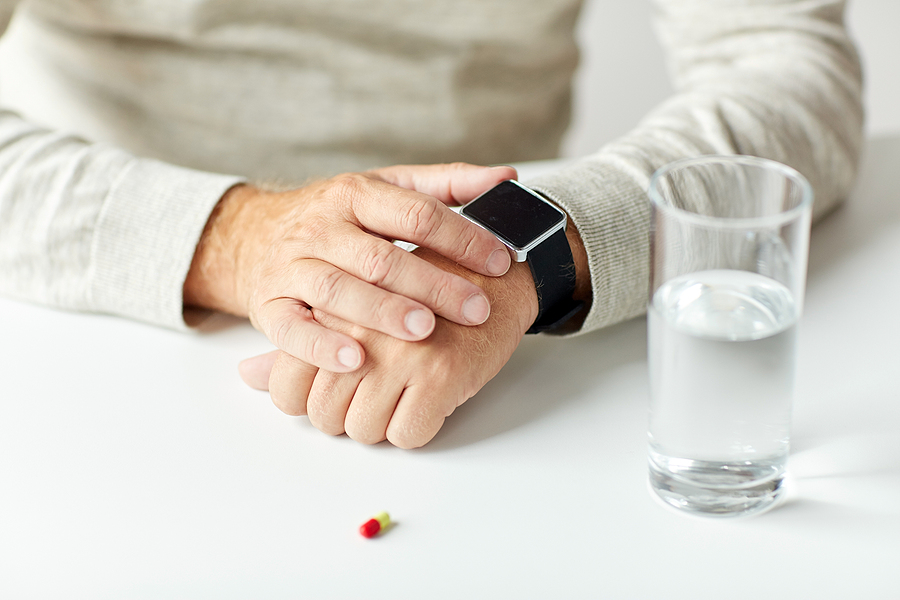
Wearable health devices have evolved from simple step counters to comprehensive health monitoring systems. Today’s wearables can track heart rate, blood oxygen levels, sleep patterns, and physical activity, providing valuable data that helps care teams detect potential health issues early.
What makes wearable technology particularly valuable is its ability to enable continuous monitoring without restricting freedom. Residents can go about their daily activities—attending programs, socializing with friends, or enjoying outdoor spaces—while discreet devices monitor their vital signs and alert team members to any concerning changes.
For chronic condition management, wearables provide real-time data that helps care teams adjust treatment plans and medications more precisely. This technology to monitor senior resident safety transforms care from reactive to proactive, often preventing hospitalizations and emergency room visits by addressing health concerns before they escalate.
Emergency Response Systems: Help at the Touch of a Button
Modern emergency response systems have come a long way from the traditional medical alert pendants of decades past. Today’s systems combine multiple technologies, such as GPS tracking, two-way communication, and automatic fall detection, to ensure help is always available when needed.
Integrated emergency response systems connect seamlessly with teams, ensuring the fastest possible response times. Beyond the community setting, mobile emergency systems allow residents to maintain their independence while enjoying activities outside the community, knowing that help is just a button press away.
These systems also provide valuable data about response times and incident patterns, helping communities continuously improve their emergency protocols and identify areas where additional preventive measures might be beneficial.
How Technology Increases Transparency in Senior Care
One of the most significant benefits of modern care technology is its increased transparency in senior care. Digital platforms enable families to stay connected to their loved ones’ care in real time, even when they’re miles away.
Electronic health records accessible through secure family portals provide up-to-date information about medications, care plans, and health status. Video communication platforms facilitate virtual visits, allowing families to maintain close connections even when in-person visits aren’t possible.
This transparency builds trust and strengthens the partnership between families and care communities. Rather than wondering how their loved one is doing, families have access to concrete evidence of the quality and consistency of care.
How technology increases transparency in senior care isn’t just about data sharing—it’s about creating a collaborative care environment where families remain integral members of the care team.
Supporting Caregivers Through Technology
While much attention focuses on how technology benefits residents, it’s equally important to recognize how technology in senior care supports the dedicated professionals who provide hands-on care every day. Digital care management systems streamline documentation, freeing up more time for direct resident interaction. Mobile devices allow care teams to access resident information instantly at the point of care, ensuring more responsive service.
Predictive analytics help care teams manage their time more effectively by identifying residents who may need additional attention on any given day. Communication platforms facilitate better coordination among interdisciplinary care teams, ensuring everyone stays informed about each resident’s needs and preferences.
By reducing administrative burden and enhancing coordination, technology allows Springpoint team members to focus on what drew them to senior care in the first place: building meaningful relationships with residents and providing compassionate, personalized support.
Innovation Meets Human Connection at Springpoint
At Springpoint, we believe that the best care combines innovative technology with the irreplaceable human touch. Smart fall-prevention technology for seniors, AI in senior living, and other innovations empower our team to provide even better care to our residents.
Technology handles monitoring, alerts, and data analysis, allowing our care professionals to focus on what technology can never replicate: genuine human connection, empathy, and individualized attention. This balance is essential to our mission of empowering older adults to live boldly while receiving the support they need.
Looking Toward the Future
As technology in senior care continues to evolve, Springpoint remains committed to thoughtfully evaluating and implementing innovations that truly enhance resident safety, independence, and quality of life. From fall detection technology to AI-powered health monitoring, we’re excited about the possibilities ahead.
For families exploring senior living options, understanding how communities embrace technology should be an essential part of the decision-making process. The right technology, implemented thoughtfully and with residents’ best interests at heart, can make a significant difference in daily life and long-term well-being.
If you’d like to learn more about how Springpoint uses technology to monitor senior resident safety and enhance transparency in senior care, contact us today. Schedule a visit to one of our communities to experience firsthand how innovation and compassion come together to create vibrant, safe environments where older adults truly thrive.