When recovering from surgery, illness, or injury, your body requires more than rest. Nutrition and proper nourishment heal your body effectively. Understanding how nutrition helps your body during recovery is essential to achieving optimal health outcomes.
At Springpoint, we recognize that comprehensive skilled nursing care goes hand in hand with expertly planned nutrition programs designed to support healing, strength, and overall well-being.
Why Senior Nutrition Matters in Recovery
As we age, our bodies process nutrients differently, making senior nutrition a critical component of quality care. Senior dietary needs evolve based on medical conditions, medications, activity levels, and individual health goals.
Without professional nutritional support, older adults may face challenges such as decreased appetite, difficulty swallowing, and nutrient deficiencies that can slow recovery and compromise health. A well-designed nutrition program in skilled nursing care delivers multiple benefits:
- Accelerates Healing: Adequate protein, vitamins, and minerals support wound healing, reduce the risk of infection, and rebuild tissue damaged by surgery or illness.
- Preserves Muscle Strength: Protein-rich meals help maintain muscle mass, improve mobility, and reduce the risk of falls.
- Manages Chronic Conditions: Therapeutic diets help control diabetes, heart disease, kidney disorders, and digestive issues.
- Supports Cognitive Health: Essential nutrients, including omega-3 fatty acids, B vitamins, and antioxidants, promote brain function and memory.
- Improves Quality of Life: Enjoyable, satisfying meals enhance emotional well-being and encourage consistent nutritional intake.
At Springpoint, nutrition is integrated into every aspect of care planning, ensuring residents receive the fuel their bodies need to thrive.
Personalized Meal Plans Tailored to Individual Needs
No two residents have identical nutritional requirements, which is why Springpoint’s approach to senior nutrition emphasizes personalization. Our registered dietitians collaborate closely with nursing staff and physicians to develop customized meal plans that address each resident’s specific health conditions, preferences, and goals.
Following established dietary guidelines for seniors, our nutrition programs accommodate various needs:
- Texture-Modified Diets: Pureed, minced, or soft foods for residents with difficulty swallowing.
- Cardiac-Friendly Options: Low-sodium, heart-healthy meals to support cardiovascular health and manage blood pressure.
- Diabetic Management: Carefully balanced meals that regulate blood sugar through controlled carbohydrates and appropriate portion sizes.
- High-Protein, Nutrient-Dense Selections: Essential for post-surgical recovery, wound healing, and preventing malnutrition.
- Cultural and Personal Preferences: Accommodating vegetarian, kosher, gluten-free, and culturally specific dietary traditions.
These personalized approaches ensure that therapeutic nutrition doesn’t sacrifice enjoyment. Meals are both medically appropriate and appetizing, encouraging residents to maintain healthy eating patterns.
How Does Nutrition Help Your Body Heal?
Understanding how nutrition helps your body during recovery reveals why proper nutrition is so vital in skilled nursing settings. When you’re healing from illness or surgery, your body’s nutritional demands increase significantly.
Proteins rebuild damaged tissues; vitamins C and A support immune function and wound healing; zinc aids cellular repair; and B vitamins help convert food into usable energy. Without adequate nutrition, healing slows, complications increase, and recovery times extend.
Conversely, when senior dietary needs are properly met through therapeutic meal planning, residents experience:
- Faster wound closure and tissue repair
- Reduced risk of pressure ulcers and infections
- Better medication effectiveness
- Improved energy levels and participation in rehabilitation
- Enhanced immune system function
- Greater independence and quality of life
Our skilled nursing teams continuously monitor nutritional status, adjusting meal plans as recovery progresses and needs change.
The Dining Experience: Nourishment Beyond Nutrition
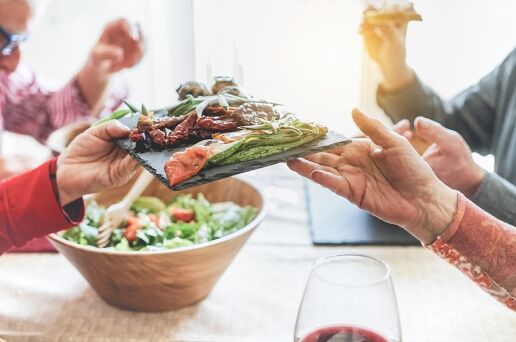
At Springpoint, we understand that meals represent more than nutritional intake—they’re opportunities for social connection, comfort, and dignity. Our dining programs create welcoming environments where residents enjoy flavorful, well-prepared meals that honor their preferences and cultural traditions.
Our approach to senior nutrition includes:
- Restaurant-Style Dining: Offering choices and accommodating individual tastes within therapeutic guidelines.
- Social Atmosphere: Encouraging community interaction during mealtimes to combat isolation and support emotional health.
- Family Involvement: Welcoming family members to share meals and participate in the dining experience.
- Seasonal Menus: Featuring fresh, seasonal ingredients and celebrating holidays with special meals.
This comprehensive approach ensures that following dietary guidelines for seniors doesn’t mean sacrificing enjoyment. Instead, therapeutic nutrition becomes an anticipated, pleasurable part of each day.
Hydration: As an Essential Element of Care
While focusing on senior dietary needs, hydration often receives less attention despite its critical importance. Dehydration among older adults can lead to confusion, dizziness, urinary tract infections, and an increased risk of falls.
Springpoint’s skilled nursing teams implement proactive hydration strategies:
- Regular fluid intake monitoring throughout the day
- Offering variety through water, juices, herbal teas, and broths
- Incorporating hydrating foods like soups, fresh fruits, and smoothies
- Adjusting hydration plans based on medications, medical conditions, and activity levels
Proper hydration supports every bodily function—from digestion and circulation to temperature regulation and cognitive clarity—making it an indispensable component of comprehensive skilled nursing care.
Expert Collaboration for Optimal Outcomes
At Springpoint, senior nutrition is a collaborative effort. Our registered dietitians work alongside physicians, therapists, and food service professionals to ensure each resident’s nutritional needs support their overall care plan. This interdisciplinary approach means that as medical conditions change or rehabilitation progresses, meal plans adapt accordingly.
Regular nutritional assessments track weight changes, food intake patterns, and laboratory values, allowing our team to identify concerns early and intervene promptly. This proactive monitoring ensures that nutrition consistently supports recovery rather than becoming an overlooked aspect of care.
Supporting Your Healing Journey
Quality nutrition forms the foundation of effective recovery in skilled nursing environments. At Springpoint, we’re committed to providing exceptional skilled nursing care that addresses every aspect of healing, including the personalized, therapeutic nutrition programs that help residents regain strength, independence, and vitality.
If you or a loved one is considering skilled nursing services, we invite you to learn more about how our comprehensive approach to senior nutrition supports optimal health outcomes. Contact Springpoint today to learn how we can support your healing journey and explore our communities.


